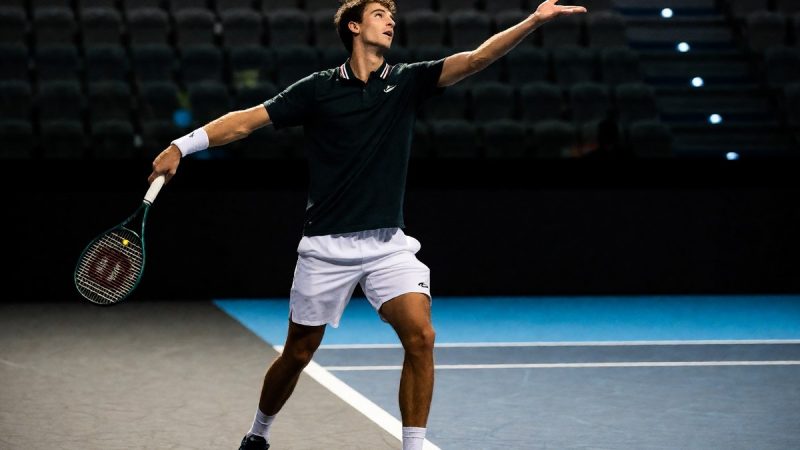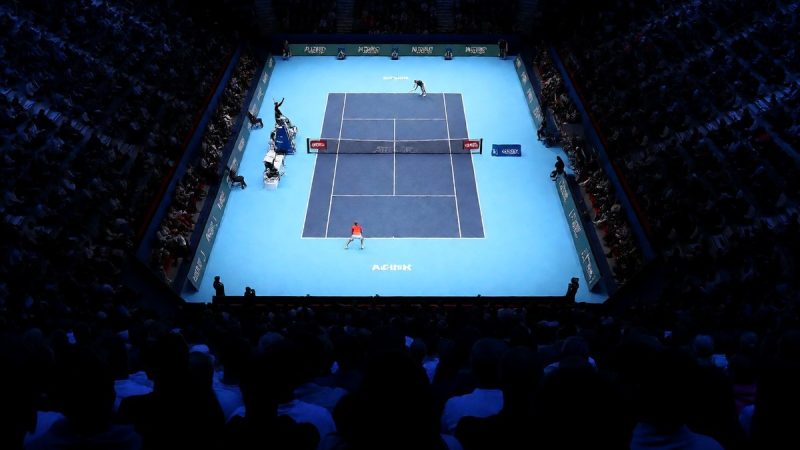
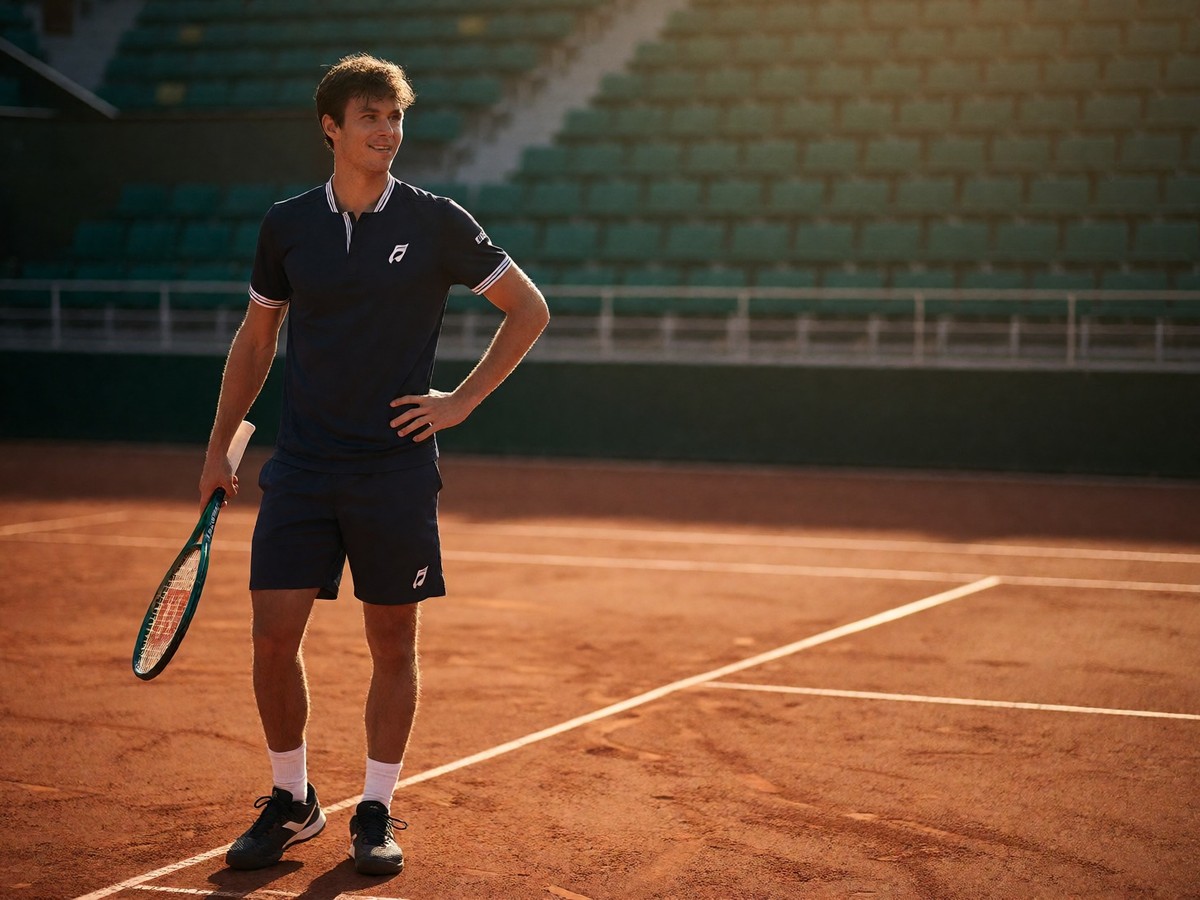
Luca Van Assche faces Ben Shelton in the Rolex Paris Masters semi-final on Saturday, a match that caps his best professional run. The American, ranked third and standing 1.93 meters tall, towers over the Frenchman by 15 centimeters. They have never met on tour, but they have practiced together enough for Van Assche to believe he has chances. A year ago, almost to the day, Van Assche left this same tournament after losing his first qualifying match to Argentina’s Francisco Comesana, 7-5, 6-1. Ranked No. 170 at the time, he had recently dropped from No. 238, a fall that shocked him because he had broken into the top 100 at 19. He described those months as "tough periods" where he expected progress to continue smoothly, but instead found himself stuck on the Challenger circuit without much success.
Rebuilding the foundation
The turning point came when Van Assche asked himself if he would still love tennis if he were top 20. He realized he loved the game itself, not just the feeling of winning, and needed to love how he played. This insight led him to work with new coach Sebastien Villette, who helped him stop making excuses when things went wrong. Van Assche admitted that previously, losses were always the fault of external factors, but now he accepts that the player is responsible for the outcome. This mental shift allowed him to focus on technical improvements, starting with his serve, which took time to develop but eventually produced powerful shots that surprised opponents like Lorenzo Musetti.
The second major project was his forehand, long considered his weak side. Van Assche changed his footwork to anchor his body weight into the shot, aiming for more aggressive, forward movement. He now feels "almost even more comfortable" on that side than on his backhand, a change noticed by Davis Cup captain Paul-Henri Mathieu, who praised his increased aggression. These adjustments transformed his game from one of keeping the ball in play to one of dictating points. In mid-October 2025, he won the Olbia Challenger in Italy, beating Pablo Carreno Busta in a tight final, which proved he had found the right answers to his questions.
A season of results
His 2026 campaign began with a loss in Australian Open qualifying to Rafael Jodar, but he quickly recovered with titles at the Quimper and Lille Challengers. By spring, he returned to the top 100 and reached the Roland-Garros main draw before falling to Brandon Nakashima in five sets. The momentum continued with a Parma Challenger win in June and his first ATP Tour title in July at Estoril, where he defeated Andrey Rublev and Alexander Blockx. A fifth title at Quebec City lifted him to a career-high ranking of No. 40 on August 24. Arriving in Paris ranked No. 47, he secured revenge wins against Learner Tien and Musetti, both of whom had beaten him earlier in the year.
In the quarter-finals, Van Assche outlasted Australian qualifier Rinky Hijikata in a three-set battle lasting 2 hours 44 minutes. Despite losing the second set tie-break and starting poorly in the third, he read his opponent’s game effectively to close it out. Mathieu noted that Van Assche played better tactically, avoiding the trap of letting Hijikata come in on his backhand. Meanwhile, Comesana, who beat Van Assche a year ago, is now ranked No. 135 and suffered a crushing defeat in Brazil this week. The contrast between these two players’ trajectories highlights the intensity of the tour, where Van Assche has clearly found his path through disciplined work and honest self-assessment.