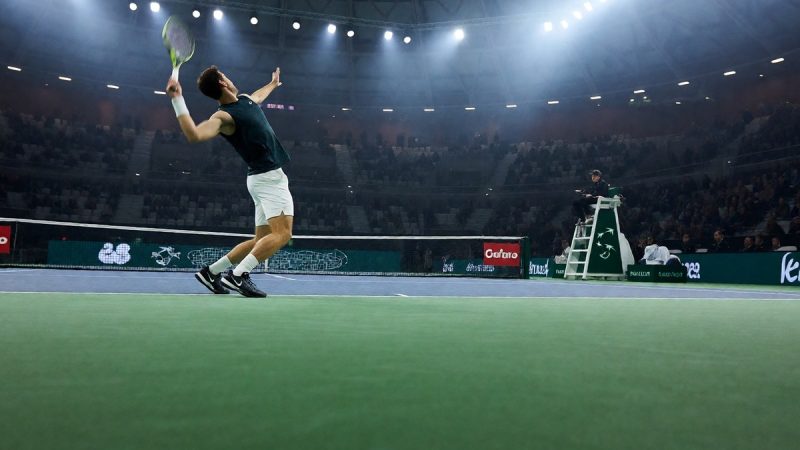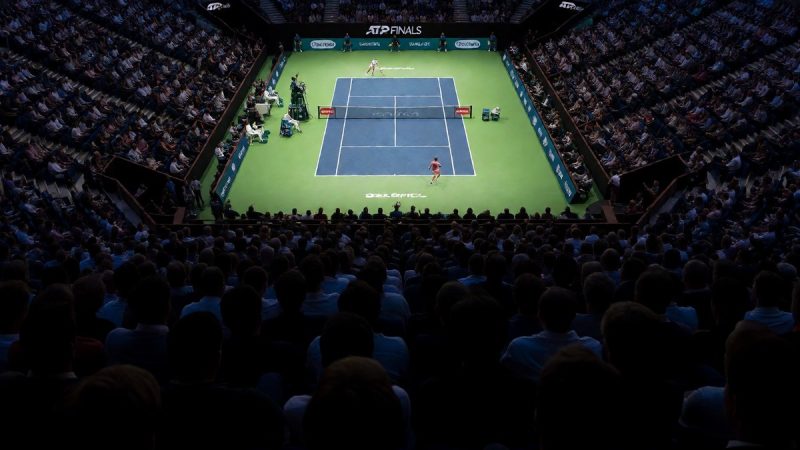
Rafael Nadal laid out three specific changes he believes tennis requires in an Associated Press interview published on November 3. The 22-time Grand Slam champion, who retired in November 2024 after a career repeatedly interrupted by injuries, spoke by video from his home in Mallorca to promote his exhibition in Las Vegas on February 28. His comments have been widely picked up since this week, arriving in a season when both Carlos Alcaraz and Jannik Sinner have missed long spells through injury. Nadal, who played through chronic pain in his left foot for much of his career and underwent surgery on his right hand nearly a year ago, said he was "not able to do much" for four months following the procedure.
Surface and ranking reforms
Nadal argued that players spend most of their time on a surface that is "aggressive for the body and for the joints." He admitted keeping quiet about this during his active years because critics would have accused him of defending his own interests on clay or grass, which he considered his second-best surface. The former champion also renewed his call for the ATP and WTA to adopt a rolling ranking based on two years of results, mirroring the system used in golf. Current rankings count only the last 52 weeks, forcing players to defend points every season and risking a collapse if they get injured. A two-year system would give athletes more freedom to make better decisions while providing adequate time to recover without seeing their standing vanish. This structural change addresses the immediate pressure that leaves no room for rest in an already crowded calendar.
Shorter tournaments and careful return
Nadal joined many current players in criticizing the extension of most Masters 1000 tournaments to two weeks, calling the format "a mistake." The longer schedule has left fewer windows for rest, contributing to the high injury rates seen recently. The retired Spaniard is now preparing carefully for his first appearance in the United States since retiring, planning to go step-by-step to avoid further problems. He stated that the old body requires time and patience if he wants to avoid injuries. By advocating for a less punishing calendar and a more forgiving ranking system, Nadal offers a clear path toward preserving player health. These changes would allow top competitors to manage their physical limits without sacrificing their professional standing.