The Stockholm outburst
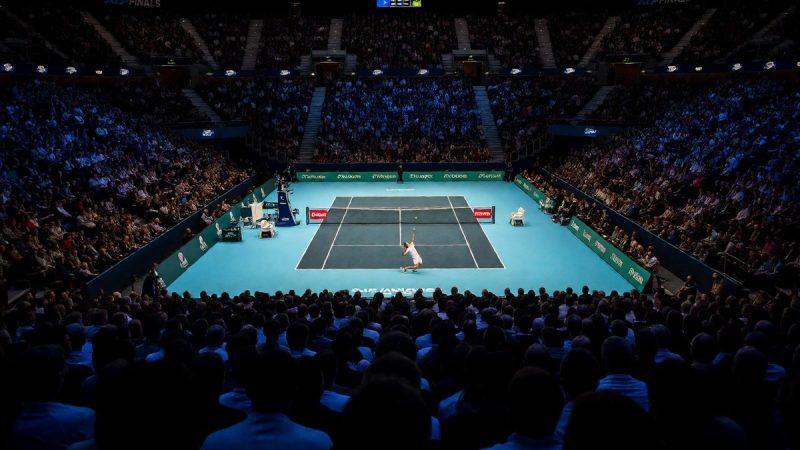
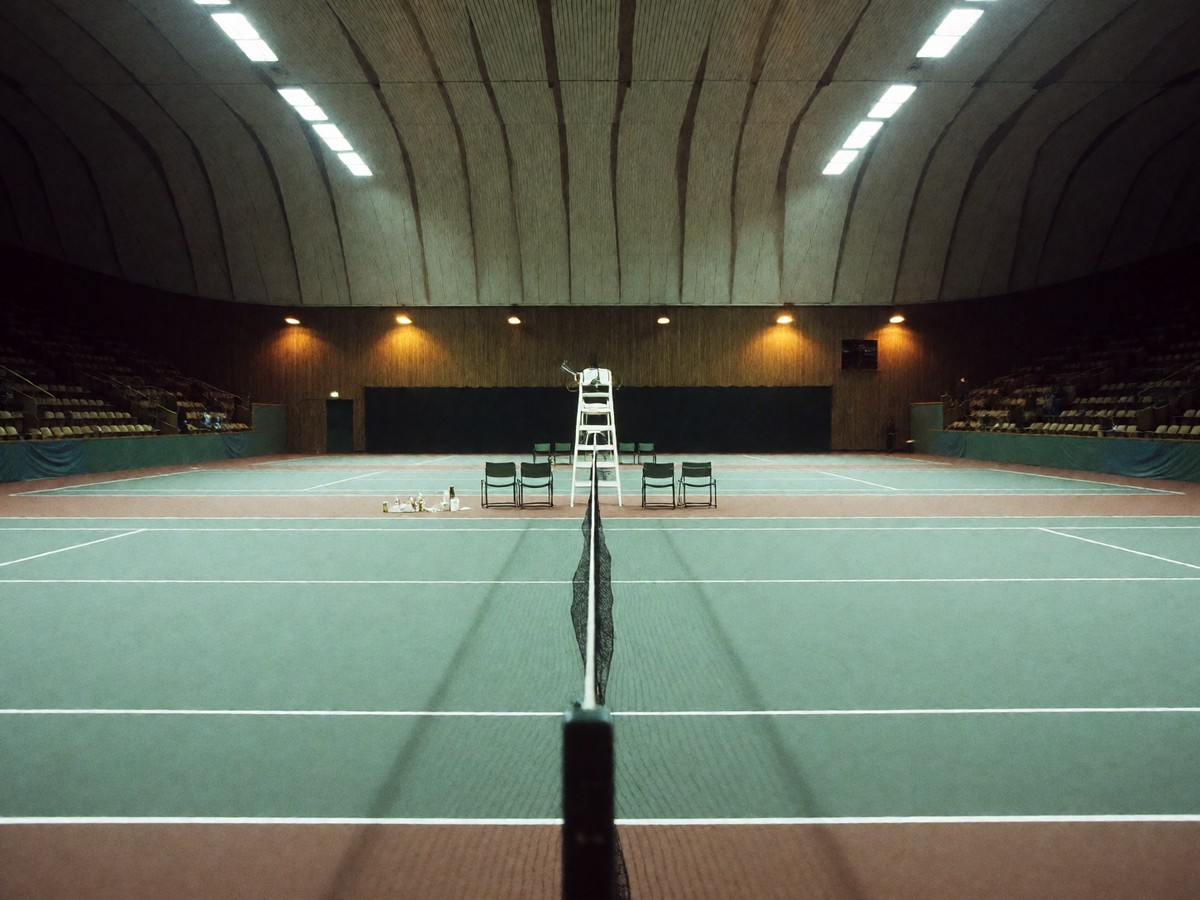
On November 4, 1984, at the Kungliga Tennishalten during the Stockholm Open, John McEnroe threw a tantrum that remains one of the most notorious outbursts in tennis history. McEnroe was the world number 1. The American, who had already won 12 titles that year including Wimbledon and the US Open, showed early signs of frustration when he received a warning in the second game for angrily firing a ball at a spectator. This indoor hard court tournament was a prestigious event that had been won previously by legends like Arthur Ashe and Bjorn Borg. In the second set, after taking a 4-2 lead, McEnroe disagreed with a line call and confronted umpire Leif Ake Nilsson. "No mistakes so far in this match?" McEnroe demanded. "You haven’t overruled anything, so there are no mistakes, whatosever?" "Answer my question!" "The question, jerk!" McEnroe smashed the cups and ice bottles next to his chair. I find it pathetic that a player at the peak of his career could lose control so completely over a single call. This behavior was not new for the man who had entered Wimbledon as a 17-year-old amateur in 1977 and reached the semi-finals.
The penalty and the match result
The officials issued McEnroe a game penalty for his behavior, which leveled the set at 4-4, though he later blamed the outburst on mental fatigue. Jarryd, who was ranked number 6 in the world after winning the title in Sydney against Ivan Lendl, told the press that it is difficult to play someone who behaves like McEnroe. He also noted that he did not ask the umpire to disqualify McEnroe because the American was such a big star. McEnroe eventually won the match 1-6, 7-6, 6-2, and he defeated Mats Wilander 6-2, 3-6, 6-2 the following day to claim the tournament title. Despite the win, officials handed McEnroe a hefty fine and a 21-day ban from the professional circuit. This ban did not prevent him from competing in the Davis Cup finals or winning the Masters Cup in early January 1985. Jarryd, who reached a career high of world number 5 in singles and became world number 1 in doubles, watched the scene in shock. He previously won the 1982 singles title in Linz. In doubles, he won the 1983 Roland-Garros title with Hans Simonsson.
Long-term consequences and historical context
Years later, Leif Ake Nilsson admitted he still did not have an answer to the question McEnroe had posed during that heated second set in Stockholm. Nilsson explained that he simply did not know what to say, which is why he instructed the player to take his second serve. McEnroe called the incident his most embarrassing memory, but when asked about the umpire, he remarked that he did not remember any particular chair umpire because they were all equally bad. McEnroe, born in 1959, had previously won the 1979 US Open by defeating Vitas Gerulaitis and beat Bjorn Borg in the 1979 WTC Finals. He also reached the 1980 Wimbledon final after winning an 18-16 tiebreak in the fourth set. After the 1984 season, which included a heartbreaking Roland-Garros loss to Ivan Lendl, McEnroe never won another Grand Slam title. He struggled to find the same results after taking a break in 1986 and married Tatum O’Neal. His last major singles result before retiring from professional tennis was reaching the 1992 Wimbledon semi-finals where he lost to Andre Agassi 6-4, 6-2, 6-3. McEnroe spent 170 weeks as world number 1 in singles and 269 weeks as world number 1 in doubles, alongside winning nine Major doubles titles. Jarryd, who became part of the Swedish team that won the Davis Cup in 1984 and 1987, watched as McEnroe’s dominance began to fade.